AI Product Photography for D2C Brands: How to Scale Visual Content Without Photoshoots
Running a direct-to-consumer (D2C) brand means one thing above all: your visuals must always be fresh, platform-ready, and on-brand. But traditional photoshoots are slow, expensive, and rigid. By the time your creative goes from brief to live, the trend has passed.
Social feeds refresh hourly. Instagram Reels, TikTok, Meta ads, email campaigns, and product pages all demand different formats, aspect ratios, and creative angles — simultaneously. A single product launch can require dozens of unique assets. And yet most D2C teams are still booking studios, briefing photographers, and waiting weeks for edited images.
The result? Missed moments, bottlenecked campaigns, and creative teams stretched beyond capacity. That's exactly the problem Pixro.ai was built to solve. By combining AI product photography with intelligent visual generation, Pixro.ai lets D2C brands produce high-quality, on-brand product visuals at scale — in a fraction of the time.
Why Traditional Photoshoots Can't Keep Up with D2C Demands
Traditional photoshoots remain valuable for flagship hero campaigns. But they were never designed for the pace of modern D2C marketing. Here's the core mismatch:
Time: A standard product shoot — from brief to final edited images — typically takes 2–4 weeks.
Cost: A mid-level commercial shoot can run from $2,000 to $15,000+ depending on location, talent, and post-production.
Flexibility: Once shot, you're locked into those backgrounds, models, and aesthetics. Adapting for a new platform or seasonal theme means starting over.
Volume: A growing D2C brand managing 50–200 SKUs can't afford individual shoots for every product variation.
The brands winning market share today aren't necessarily running bigger shoots — they're running smarter ones. They use AI product photography to fill the gap between hero campaigns and the constant, high-volume visual demand of always-on digital marketing.
What Is AI Product Photography — and How Does Pixro.ai Work?
AI product photography is the use of artificial intelligence to generate, enhance, or transform product images — producing studio-quality visuals without a physical photoshoot. Rather than replacing a camera, it replaces the studio setup, the background, the lighting rig, and weeks of post-production.
Pixro.ai takes this further with a purpose-built platform for D2C brands. Here's exactly how the workflow runs:
The Pixro.ai Workflow: From One Image to a Full Campaign
Upload your product image — A single photo of your product is all you need. No special equipment or studio required.
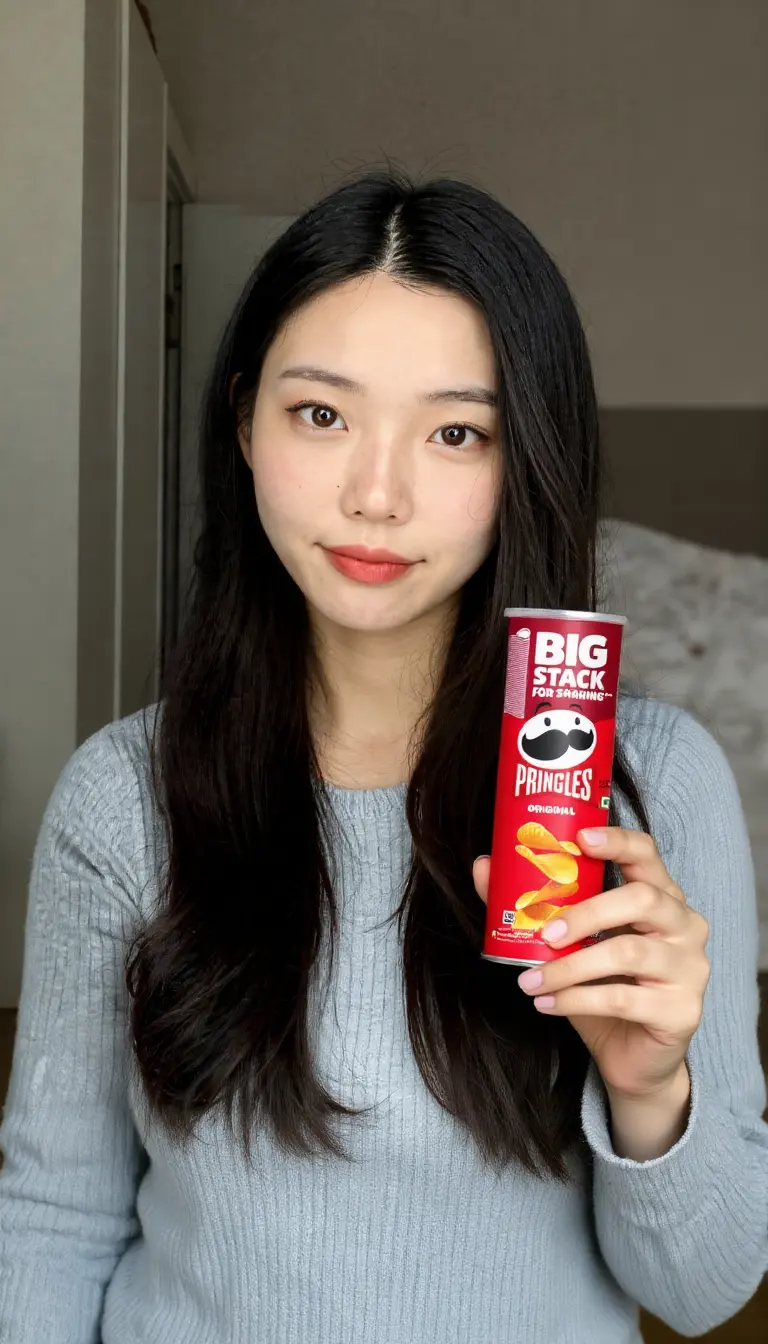
Choose your use case — Select from product photography, lifestyle imagery, ad creatives, UGC-style visuals, try-on images, or platform-specific formats.
Generate your visuals — Pixro.ai's AI engine creates multiple variations: new backgrounds, diverse model options, seasonal themes, colorways, and campaign concepts — all consistent with your brand identity.
Review and refine — Browse generated assets, select your favourites, and fine-tune as needed.
Export for every platform — Download in the correct format and dimensions for Instagram, Meta ads, TikTok, your website, email campaigns, and marketplaces — all at once.
The result is a complete visual content pipeline that compresses weeks of creative work into hours.
Traditional Photoshoot vs. Pixro.ai: A Direct Comparison
Factor | Traditional Photoshoot | Pixro.ai |
|---|---|---|
Turnaround time | 2–4 weeks | Hours |
Cost per campaign | $2,000–$15,000+ | Fraction of the cost |
Number of variations | Limited by shoot time & budget | Unlimited |
Platform formats | Manual resizing required | Auto-exported per platform |
Trend response speed | Days to weeks | Same day |
SKU scalability | Cost multiplies per SKU | Scales without added cost |
Brand consistency | Dependent on team or vendor | Built-in via brand settings |
How D2C Brands Use Pixro.ai: Three Real-World Scenarios
Here's where theory meets practice. These are three scenarios drawn from how D2C brands across categories are using AI product photography today.
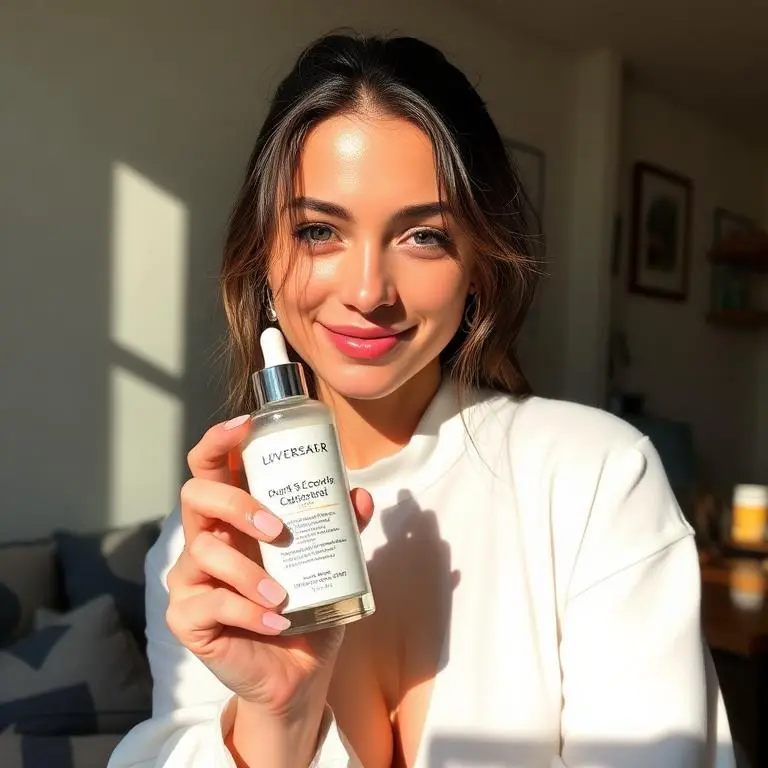
A Skincare Brand: 40 Ad Creatives from 4 Product Images
A mid-sized D2C skincare brand was preparing for a major seasonal campaign. Their creative team had four high-quality product images and a two-week deadline to produce assets for Meta ads, Instagram Stories, email headers, and their website homepage.
Using Pixro.ai, the team uploaded their four images and generated over 40 distinct ad creatives — different backgrounds, model variations, copy overlays, and format sizes. What would have required three separate photoshoots and a week of editing was completed in under a day. The campaign launched on time with a full suite of A/B test variants, and click-through rates improved measurably compared to their previous single-creative approach.
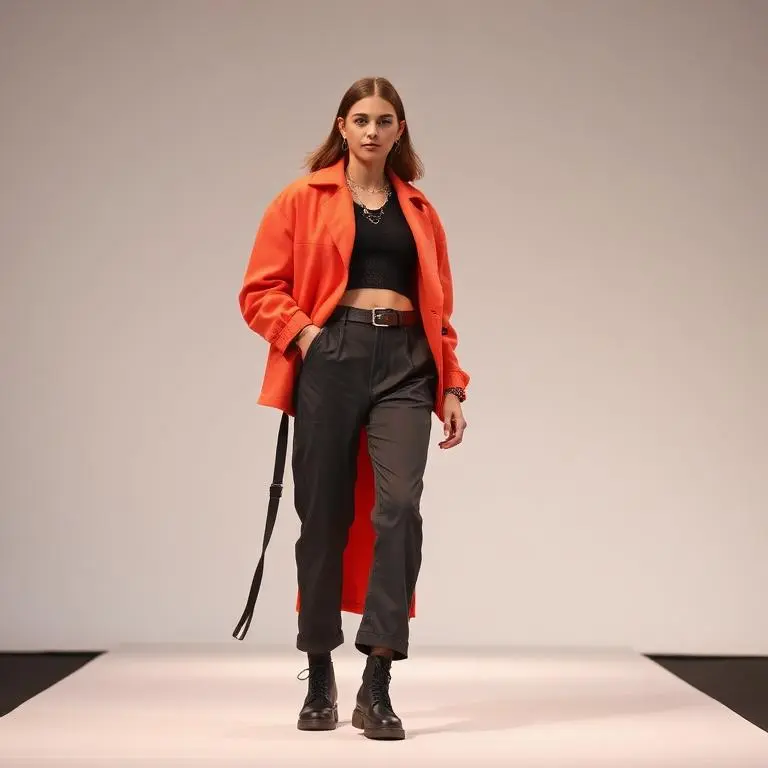
A Fashion Brand: 80 SKUs, No Photoshoot
A fast-growing D2C fashion label added 80 new SKUs to their catalog. Photographing each item individually — across multiple colorways and lifestyle contexts — would have taken months and stretched their budget significantly.
Instead, the team used Pixro.ai to generate catalog visuals for all 80 products: clean product shots, styled lifestyle imagery, and platform-specific ad formats. The entire catalog was ready within days with consistent visual branding across every item. Their product pages went live ahead of schedule, avoiding a significant production backlog.
A Home Goods Brand: Reacting to a Trending Aesthetic
When a particular interior design aesthetic went viral on TikTok — minimal, warm-toned, "quiet luxury" — a D2C home goods brand wanted to reposition their product imagery to match the moment. With traditional methods, responsive creative of this kind would have been impossible within a relevant timeframe.
Using Pixro.ai, their marketing team generated an entirely new set of lifestyle imagery in the trending aesthetic within hours, updated their Instagram grid, and ran targeted ads while the trend was still peaking. The campaign drove their highest single-week traffic of the year.
Key Use Cases: What D2C Teams Build with Pixro.ai
1. A/B Testing Visuals at Scale
Most D2C teams are limited by how many creative assets they can realistically produce. Pixro.ai removes that constraint entirely. Upload one hero product image and generate dozens of variations — different backgrounds, lighting moods, model types, and compositional styles. Run true multivariate tests across paid social, email, and on-site without additional production cost or timeline delay.
2. Polishing UGC and Influencer Content
User-generated content and influencer posts are powerful trust signals — but they often arrive with inconsistent backgrounds, mixed lighting, and varied quality. Pixro.ai lets brands professionally enhance UGC assets: harmonize backgrounds, correct lighting, and bring every post up to brand standard while preserving the authentic feel that makes UGC effective.
3. Omnichannel Visual Content Without the Overhead
Every channel has different requirements — homepage banners need different dimensions than Instagram Reels or marketplace thumbnails. Pixro.ai generates and exports assets in the exact formats your team needs, eliminating manual resizing and ensuring your brand looks consistent everywhere your customers encounter it: website, email, social, ads, and beyond.
Who Benefits Most from AI Product Photography?
D2C startups — compete visually with larger brands without building an in-house studio or hiring large creative teams
Mid-market D2C brands — eliminate creative bottlenecks, reduce agency dependency, and react to market moments in real time
Enterprise D2C teams — scale visual content across hundreds of SKUs and multiple markets without proportional increases in production cost
Performance marketing teams — generate the volume of creative variants needed for effective paid social testing
E-commerce managers — keep product pages and catalog imagery fresh and consistent as inventory grows
The Future of D2C Visual Content: What's Coming Next
AI product photography is already reshaping how D2C brands operate — but the next wave of capabilities will go further:
AR try-on experiences — letting shoppers visualize products on themselves before purchasing, reducing return rates
Behaviour-driven personalization — automatically serving different product imagery based on what a shopper has browsed or purchased before
Video and motion content generation — moving beyond still imagery to AI-generated product videos and animated ads
Real-time trend adaptation — AI systems that monitor cultural and aesthetic trends and generate imagery aligned to what's resonating right now
According to McKinsey's research on AI adoption in retail and consumer goods, brands that embed AI tools throughout the customer journey are positioned to significantly outpace competitors in both operational efficiency and revenue growth over the coming years. The D2C brands building visual content infrastructure today are creating a compounding advantage that will be difficult to close.
Frequently Asked Questions About Pixro.ai and D2C Visual Content
What is Pixro.ai and what does it do for D2C brands?
Pixro.ai is an AI-powered visual content platform built for direct-to-consumer brands. It enables marketing teams to generate professional product photography, lifestyle imagery, ad creatives, and UGC-style visuals from a single product image — without a photoshoot. Brands use it to produce on-brand, platform-ready visuals at scale.
How does AI product photography compare to traditional photoshoots?
Traditional photoshoots are valuable for flagship, high-production campaigns. But for the volume, speed, and variety that D2C marketing demands day-to-day, they're too slow and too costly. AI product photography through Pixro.ai compresses a multi-week production process into hours, at a fraction of the cost, with unlimited creative variations.
Can Pixro.ai maintain brand consistency across different platforms?
Yes. Pixro.ai is built with brand consistency as a core feature. You can apply your brand's colour palette, aesthetic, and style settings so that all generated assets — regardless of format or platform — stay visually cohesive.
Is AI-generated imagery suitable for paid advertising?
Yes. Many D2C brands are actively running AI-generated product visuals on Meta, TikTok, Google Shopping, and other paid channels. Pixro.ai is optimised to produce commercial-grade imagery that performs in paid social environments.
What results do D2C brands typically see with Pixro.ai?
Pixro.ai customers report up to a 70% reduction in visual content production time. More importantly, teams gain the ability to test more creative variants, respond to trends in real time, and maintain consistent output across all channels — without increasing headcount or production spend.
Start Creating Product Visuals That Drive Real Results
Your next campaign doesn't have to wait for a photoshoot. With Pixro.ai, one product image becomes a full suite of professional visuals — ready for every platform, every channel, and every moment worth capturing.
Upload one product image and create your first campaign visuals with Pixro.ai. No studio. No waiting. Just results.
Whether you're launching a new product, scaling a catalog, or trying to catch a trend before it peaks — Pixro.ai gives your team the speed and creative firepower to compete at the highest level.
Explore Pixro.ai and start your first project today →
Sources & Notes
McKinsey & Company — The State of AI in Retail and Consumer Goods (AI adoption and competitive advantage in retail)
Pixro.ai internal platform data — 70% production time reduction benchmark based on customer usage
Brand workflow examples are anonymised composite scenarios reflecting common D2C use cases on the Pixro.ai platform

AI-powered visual workflows help D2C teams move faster and measure stronger results.